
Understanding spending behaviors is fundamental in cultivating risk awareness in financial management. People often make purchasing decisions without fully comprehending the downstream impact on their financial stability. Spending insight mapping offers a systematic way to visualize and analyze patterns in expenditures, helping individuals and organizations recognize risk exposure before it becomes problematic. By connecting financial behavior with potential consequences, users can proactively adjust habits, avoid overspending, and develop resilience against unexpected financial shocks.
Spending insight mapping starts with the collection of detailed transactional data. Every purchase, subscription, and recurring payment is logged and categorized. This can include discretionary expenses, such as dining out or entertainment, as well as essential costs like rent, utilities, and insurance. When these data points are aggregated, patterns begin to emerge, revealing where money is concentrated, which categories consume the largest portion of income, and which behaviors are irregular or impulsive. Recognizing these trends allows individuals to evaluate not just the amount spent, but the frequency and context of spending.
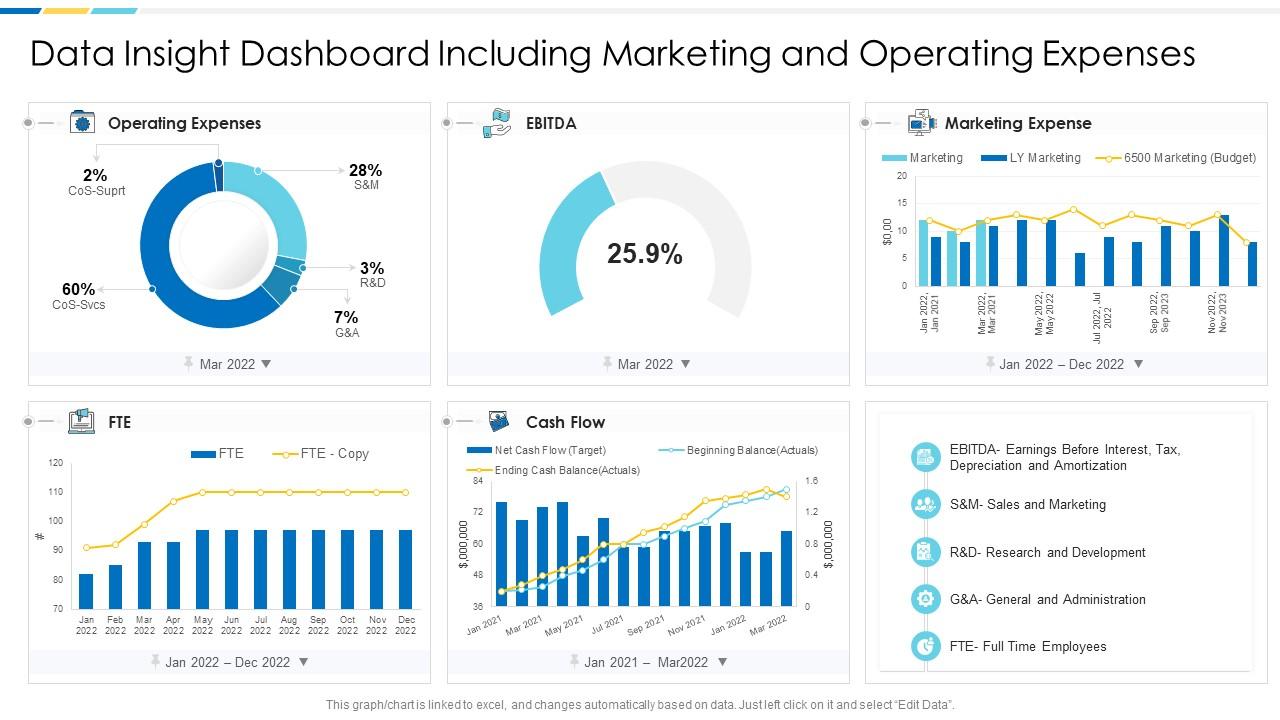
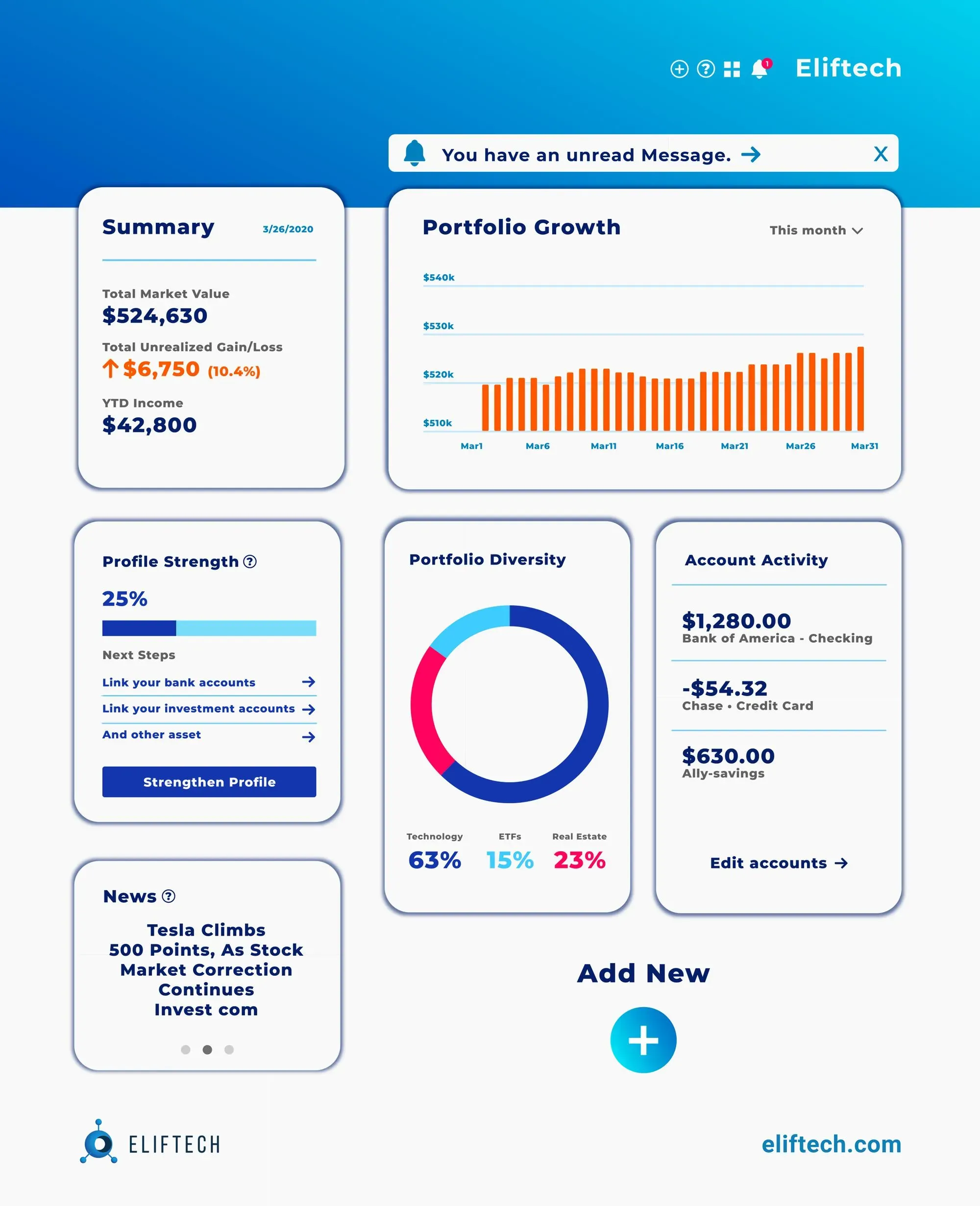
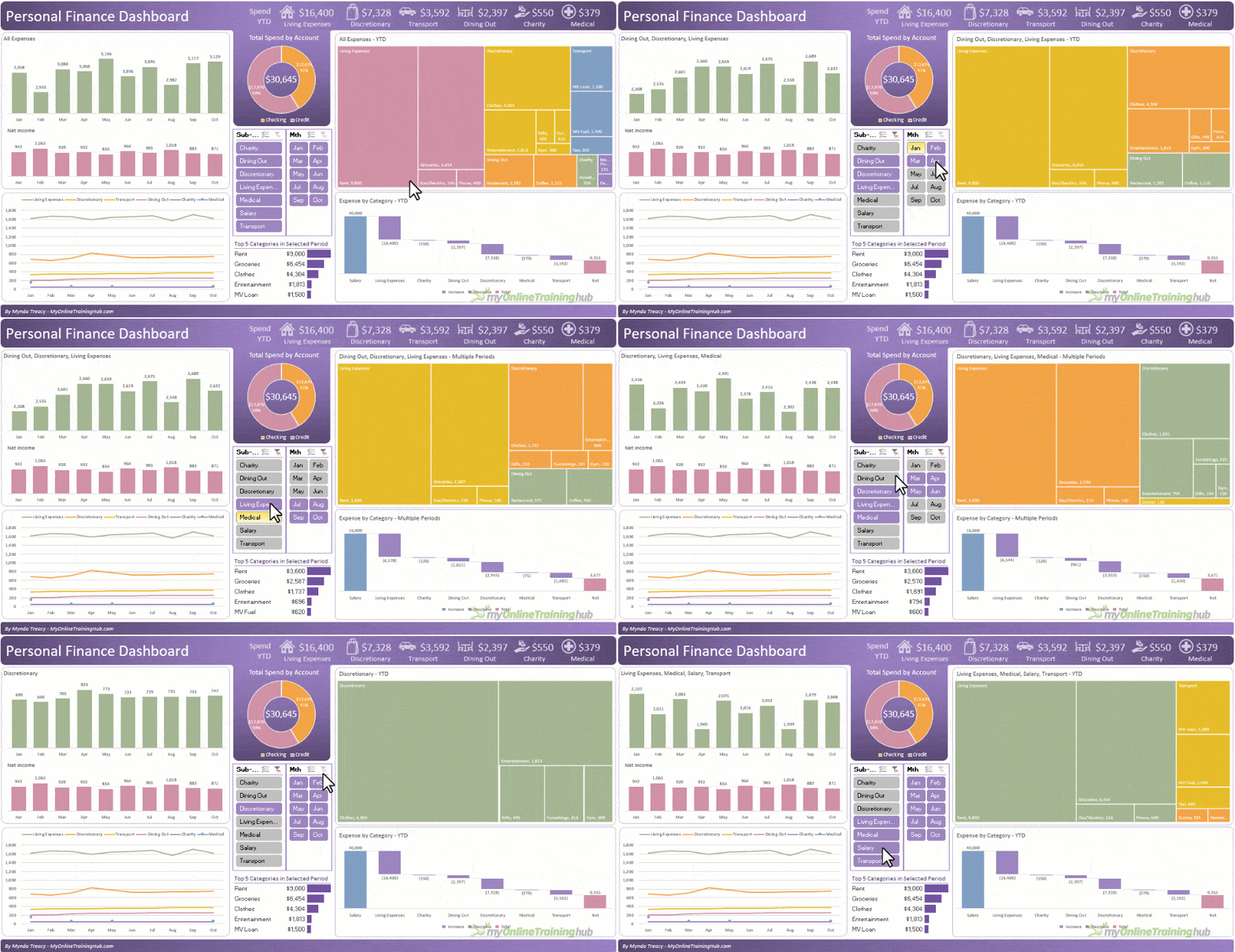
Visualization is a key component of spending insight mapping. Graphs, heatmaps, and flow charts can transform raw financial data into intuitive, interpretable visuals. For instance, monthly spending trends can highlight periods of high expenditure that may coincide with certain triggers such as holidays, lifestyle changes, or emotional spending. Heatmaps can indicate categories where spending consistently exceeds allocated budgets, signaling areas that require attention. Flow charts linking income to expenditure and savings can illustrate liquidity and cash flow, providing insight into the capacity to absorb unexpected expenses without compromising financial stability.
Risk awareness through spending insight mapping is strengthened when predictive analytics are integrated. Machine learning models can analyze historical spending to forecast future trends, highlighting potential periods of financial vulnerability. For example, if data indicates that discretionary spending spikes before payday, predictive models can alert users to potential cash flow gaps and suggest corrective measures. Similarly, simulations can illustrate the effect of a sudden expense, such as medical bills or car repairs, on overall financial health. By presenting these scenarios visually, spending insight mapping provides a tangible sense of risk, making abstract financial concepts more concrete and actionable.
Behavioral patterns play a critical role in risk exposure. People often underestimate small, frequent expenses, which over time accumulate into significant financial strain. Insight mapping allows users to identify recurring micro-spending behaviors that are otherwise overlooked. Subscriptions, in-app purchases, and impulse buys, while seemingly minor, can collectively erode financial security. Recognizing these patterns early enables proactive interventions such as setting spending caps, canceling unnecessary subscriptions, or automating savings to counterbalance habitual overspending.
In organizations, spending insight mapping extends beyond individual habits to encompass departmental or project-level expenditures. Businesses face risk when resources are allocated inefficiently or without comprehensive oversight. Mapping organizational spending provides transparency, showing which departments exceed budgets, which projects consume more resources than anticipated, and where operational inefficiencies occur. This fosters a culture of accountability and informed decision-making. By linking spending to performance outcomes, organizations can prioritize investments, mitigate financial exposure, and maintain operational resilience.
Another critical aspect of spending insight mapping is its role in promoting financial literacy. Users gain a clearer understanding of not only what they spend but why they spend it. Contextual insights, such as the motivations behind purchases and the timing of expenditures, encourage more thoughtful decision-making. This awareness helps reduce emotionally driven spending and cultivates a mindset focused on long-term financial health. Educational prompts, combined with actionable insights, empower individuals and organizations to make informed choices and align expenditures with strategic objectives.
Technological advancements have significantly enhanced the capabilities of spending insight mapping. Mobile applications, financial dashboards, and AI-driven analytics allow real-time monitoring and adaptive guidance. Alerts for overspending, visual summaries of weekly or monthly expenditures, and scenario simulations are now accessible to a wide range of users. This immediacy transforms risk awareness from a theoretical concept into a practical, day-to-day tool for financial management. Users are no longer passive observers of their spending but active participants in controlling and mitigating risk.
An effective spending insight mapping framework also incorporates feedback loops. Users should periodically review spending patterns, assess the effectiveness of implemented interventions, and recalibrate strategies as needed. Continuous monitoring ensures that risk awareness evolves alongside changes in income, lifestyle, or market conditions. For organizations, integrating periodic audits and cross-departmental reporting reinforces governance and operational oversight. Feedback loops create a dynamic system in which spending insights are not static but constantly refined to reflect current realities.
Privacy and data security are essential considerations in spending insight mapping. Detailed transactional information is highly sensitive, and improper handling can expose users to significant risks. Platforms and tools that facilitate insight mapping must implement strong encryption, access controls, and compliance with relevant regulations to protect user data. When users trust that their information is secure, they are more likely to engage fully with mapping tools, yielding richer insights and more effective risk awareness.
Ultimately, spending insight mapping is a proactive strategy for financial risk management. By illuminating both individual and organizational spending behaviors, it allows users to anticipate challenges, optimize resource allocation, and strengthen financial resilience. It transforms reactive responses into informed actions, enabling a comprehensive understanding of risk exposure and the implementation of preventative measures. Over time, habitual engagement with spending insight mapping cultivates discipline, informed decision-making, and confidence in financial planning, laying the foundation for sustainable financial well-being.
The integration of behavioral analysis, predictive modeling, visualization, and secure data practices makes spending insight mapping a multifaceted approach to risk awareness. Its value lies not only in identifying where money goes but in interpreting the implications of spending patterns in relation to potential vulnerabilities. As financial landscapes become increasingly complex and unpredictable, spending insight mapping serves as a critical tool for navigating uncertainty, empowering both individuals and organizations to maintain control, make strategic choices, and mitigate financial risks before they escalate.


Leave a Reply