
In modern betting design, guiding a user’s attention effectively is a core component of creating an engaging and intuitive experience. Attention direction techniques are strategies implemented to ensure that users notice and process information that is most critical for decision-making, risk awareness, and enjoyment. These techniques draw from cognitive psychology, visual hierarchy principles, and interface design best practices, aiming to reduce cognitive overload while emphasizing key opportunities or warnings. The foundation of attention direction lies in the understanding that users are often inundated with stimuli and limited in their capacity to process everything simultaneously. Betting platforms, where decisions must be made quickly and confidently, particularly benefit from carefully orchestrated attention guidance.
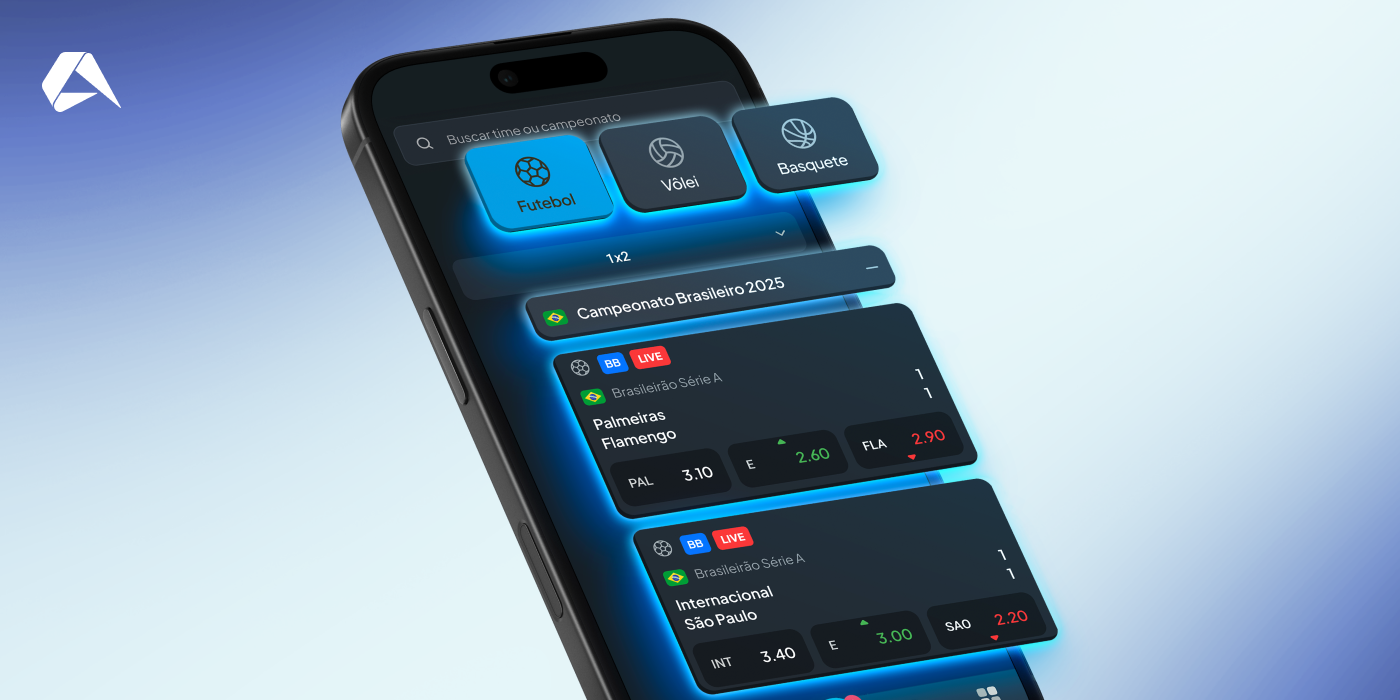
One primary technique is visual hierarchy, which involves structuring content so that the most important elements naturally draw the eye first. In betting interfaces, odds, recommended bets, or critical alerts are often positioned at prominent locations on the screen, using size, color, and contrast to enhance visibility. Bold typography and high-contrast colors can highlight winning combinations or promotional offers without creating visual noise. Subtle animations, such as pulsing buttons or incremental number changes, can also draw attention to dynamic information, signaling updates or imminent deadlines. This method is particularly effective when users scan interfaces quickly, allowing the platform to direct focus without requiring conscious effort.
Color plays a pivotal role in attention management. Warm, vibrant colors like red or orange naturally attract the eye, making them suitable for warnings, alerts, or promotions. Cooler colors such as blues and greens are often used for background elements or less critical information, creating a natural separation between key and secondary content. In betting design, color coding can also convey specific meanings: for instance, green may indicate profitable bets, red may signify risks, and yellow can denote pending actions or reminders. Consistent use of color conventions across the platform reinforces familiarity and ensures that users can interpret information rapidly.
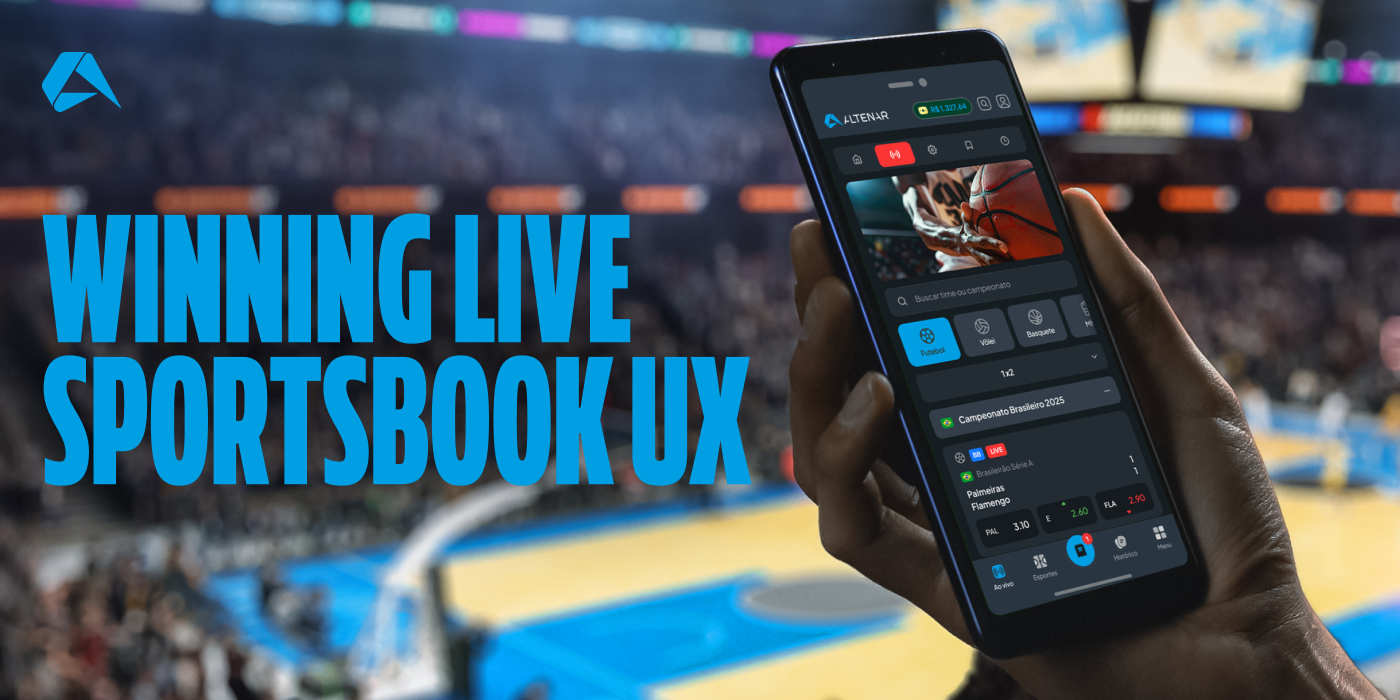
Another technique is the strategic placement of interactive elements. Buttons, sliders, and selection options are often positioned within the user’s natural visual path, commonly referred to as the “F-pattern” or “Z-pattern” in user experience research. These patterns describe the typical scanning behavior of users across interfaces, which can be leveraged to position critical decision points where attention is naturally focused. For example, in live betting scenarios, placing odds updates and action buttons near the center or right-hand edge of the interface ensures rapid interaction without requiring unnecessary eye movement or cognitive strain.
Micro-interactions serve as subtle yet powerful attention cues. These are small interface behaviors that provide feedback or draw attention without overwhelming the user. Examples include hover effects, confirmation animations, or brief notifications when new information becomes available. In betting platforms, micro-interactions can signal updated odds, changes in game status, or the completion of a transaction. They not only attract attention but also reinforce user confidence in the system’s responsiveness and accuracy.
Timing and sequencing are equally critical. Users can become overwhelmed if too many elements vie for attention simultaneously. Thoughtful sequencing ensures that information is delivered in digestible chunks. Step-by-step progression, where the interface guides the user through stages of decision-making, prevents confusion and enhances clarity. For example, a platform might first highlight available betting options, then display odds, followed by potential outcomes, and finally confirm selections. This sequential attention strategy aligns with cognitive processing limits, making the user experience smoother and more intuitive.
Sound and haptic feedback can complement visual attention techniques. Subtle audio cues can alert users to changes in real-time odds or trigger notifications for bets that require immediate action. Similarly, vibration feedback on mobile devices can serve as an additional layer of attention direction, especially in environments where visual focus may be divided. These multisensory cues can reinforce critical information without adding visual clutter, enhancing both safety and engagement.
Another sophisticated approach involves predictive attention cues based on user behavior. Advanced betting platforms track interaction patterns, past selections, and session data to anticipate what information a user is likely to find most relevant. By highlighting these predicted elements or positioning them prominently, platforms can optimize attention allocation. For example, frequently chosen bet types or preferred leagues may be visually emphasized, reducing the time and effort required for decision-making. This personalization not only improves usability but also increases user satisfaction and engagement.
Contextual framing is essential to maintain clarity and focus. Highlighting comparative information, such as odds differences between matches or potential payout contrasts, allows users to evaluate options efficiently. Visual framing techniques, like boxes, borders, or shaded areas, can isolate critical sections of content, preventing them from blending into less relevant information. This ensures that users can quickly identify where attention is most required, reducing cognitive load and improving decision accuracy.
Lastly, attention direction must balance engagement with ethical responsibility. While it is crucial to guide users to high-value areas and actionable insights, platforms must avoid manipulative tactics that encourage impulsive or risky behavior. Transparency, clear labeling, and consistent cues foster trust and allow users to make informed decisions. Effective attention direction is therefore not just about guiding the eye, but also about supporting thoughtful interaction and responsible engagement within the betting environment.
By integrating these attention direction techniques, betting platforms create interfaces that are visually clear, cognitively manageable, and behaviorally effective. Users are able to process critical information rapidly, make informed decisions confidently, and engage with the platform in a structured, enjoyable manner. When implemented thoughtfully, these techniques enhance usability, increase user satisfaction, and maintain trust, all while accommodating the fast-paced and dynamic nature of modern betting experiences. The careful orchestration of visual hierarchy, color, placement, micro-interactions, multisensory feedback, predictive personalization, and contextual framing ensures that attention is directed purposefully, enhancing both performance and experience.




Leave a Reply